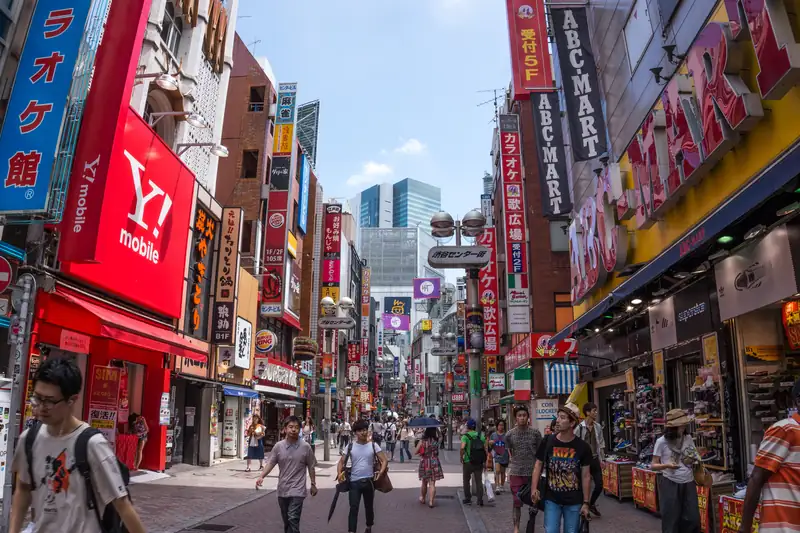
Shibuya’s story in brief
Nobody knows for sure where the name comes from. Theories point to an old “salt valley”, a river stained reddish-brown by iron in the soil, or the Shibuya samurai family, who held the area from the late Heian period until 1524. In the Edo period it grew as a stop on the Oyama pilgrimage road, today’s Route 246.
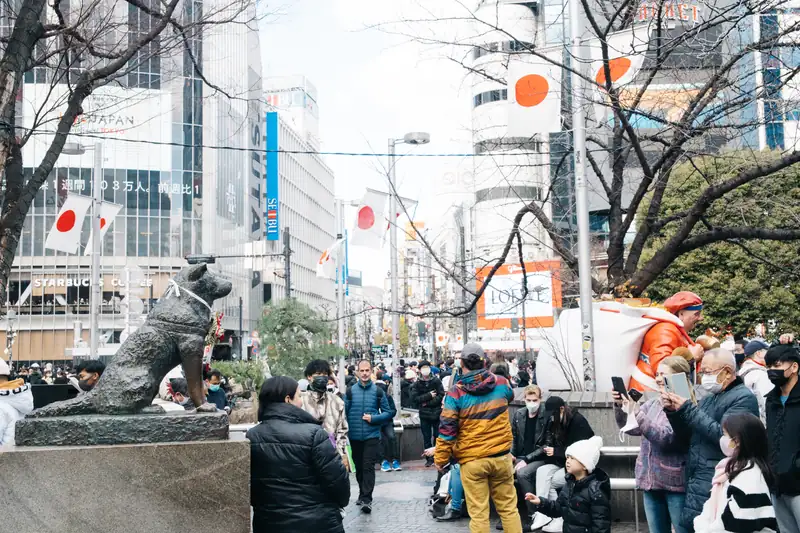
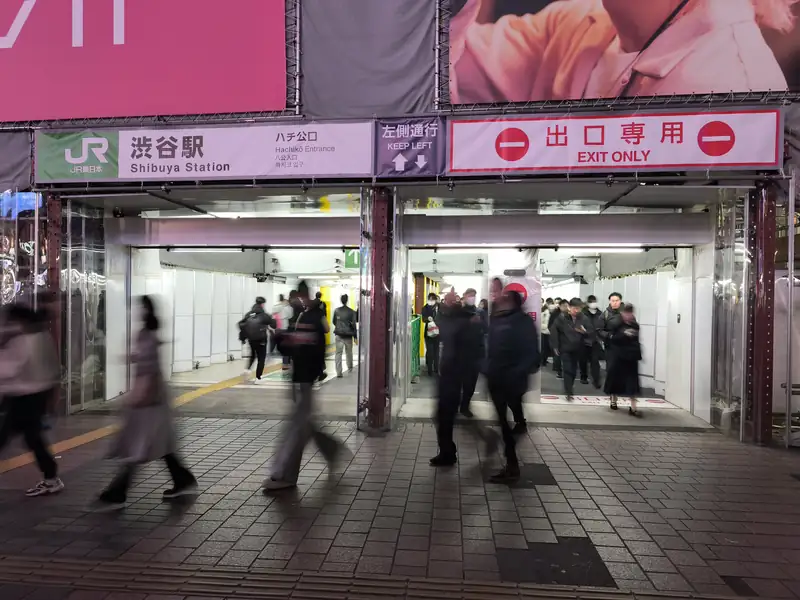
Shibuya Station opened on 1 March 1885, and private railways then turned it into a terminal. The line that became the Ginza Line arrived in 1938. Hachiko, an Akita dog, kept coming to the station for almost ten years after his owner, Professor Hidesaburo Ueno, died in 1925. A 1932 newspaper article made him famous, and a bronze statue went up in 1934 while he was still alive. It was melted down during the war; the one outside the station today was unveiled in 1948.
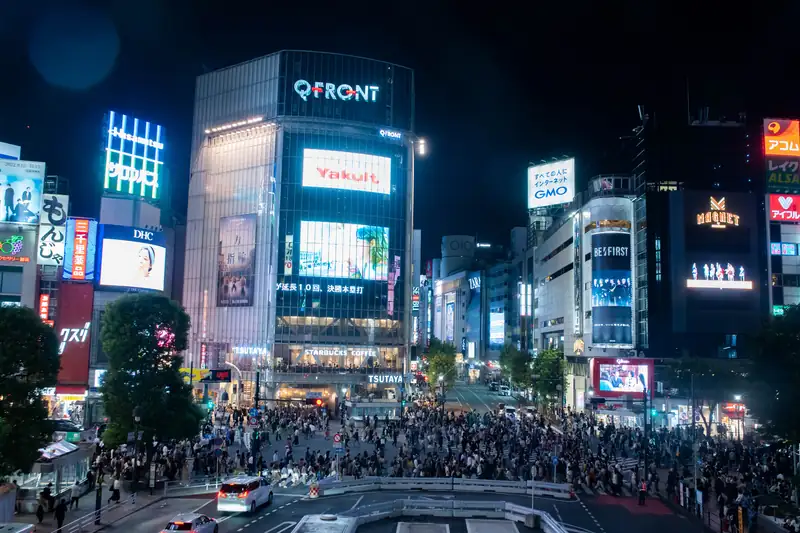
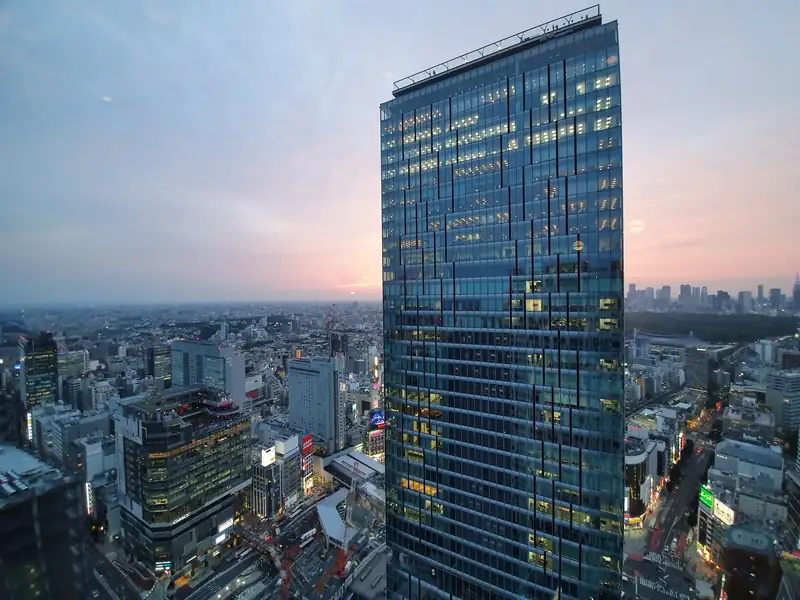
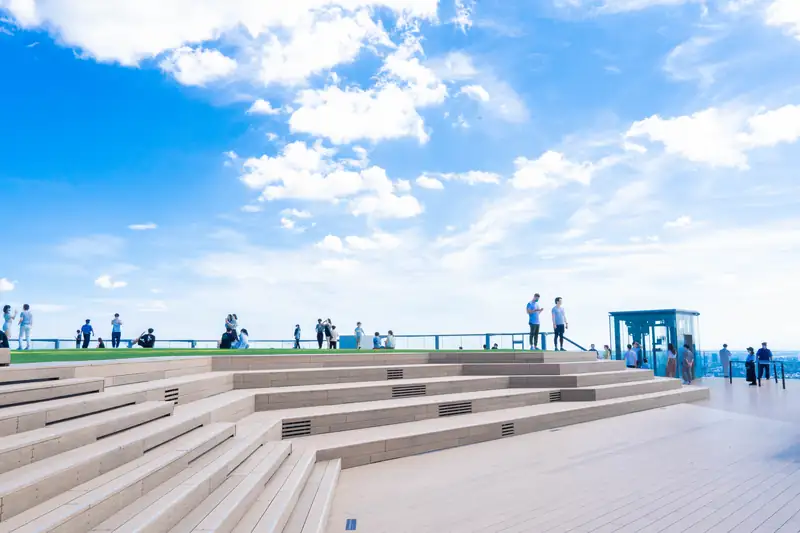
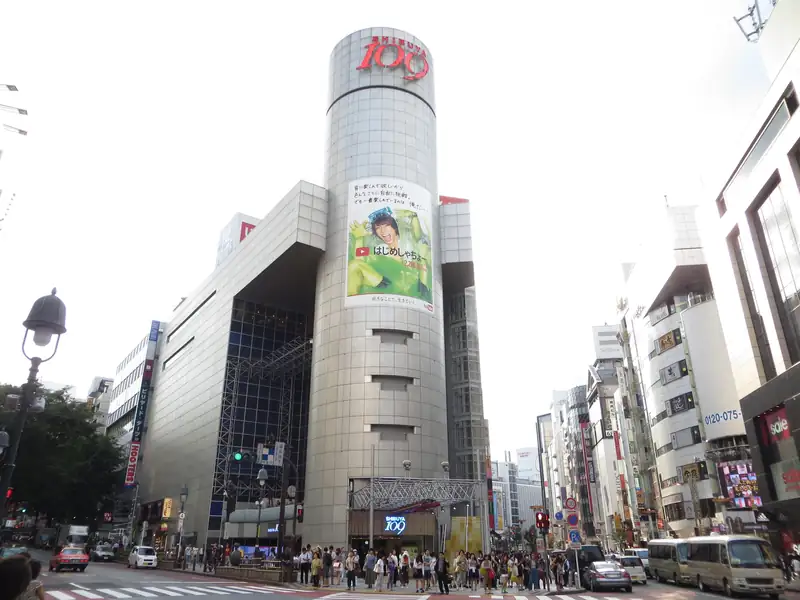
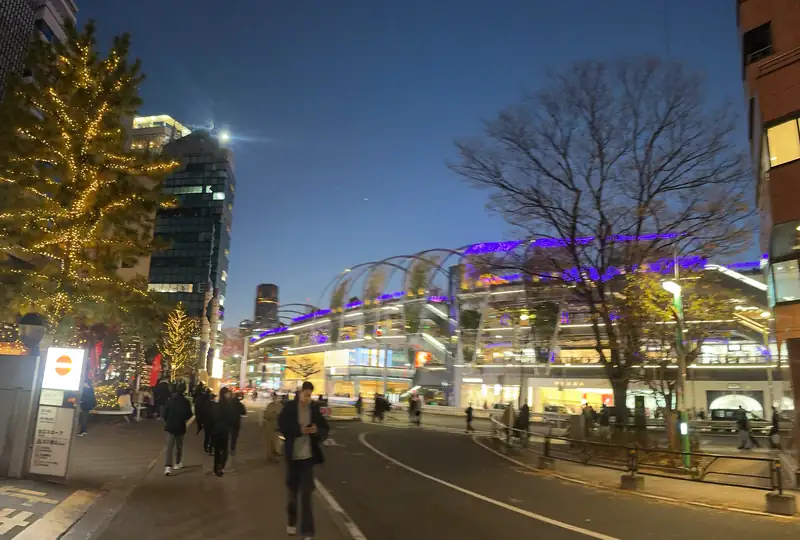
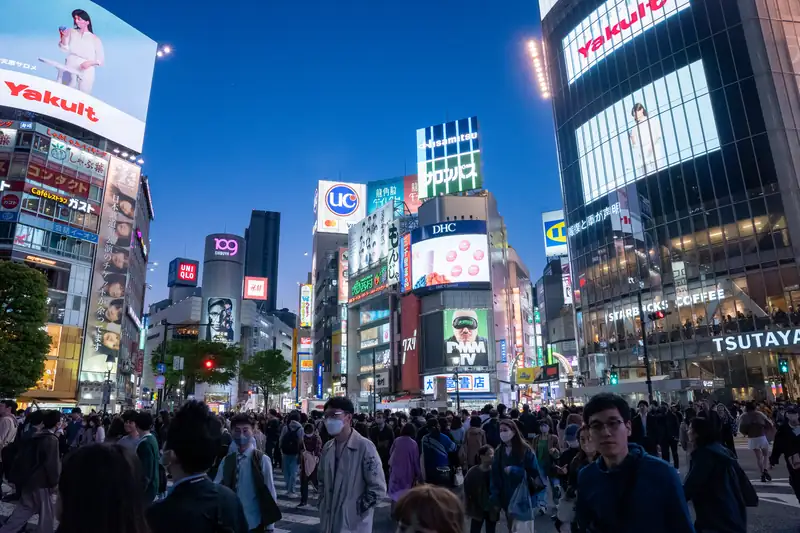
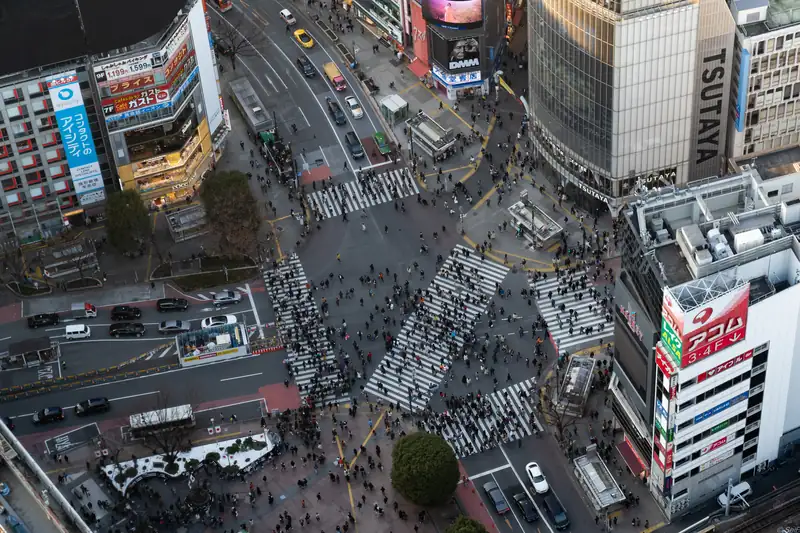
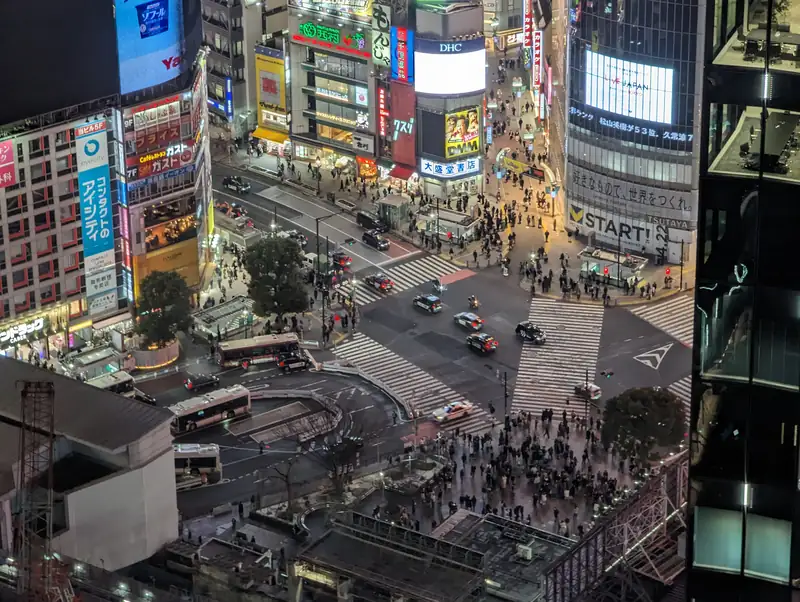
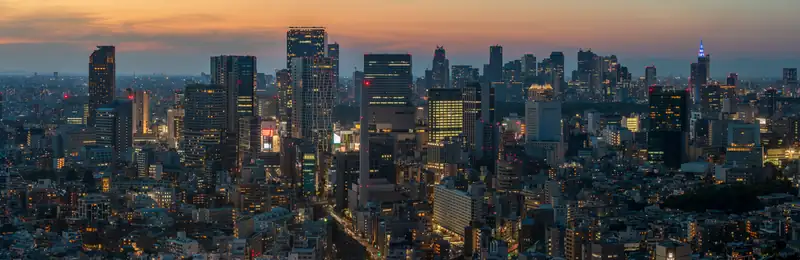
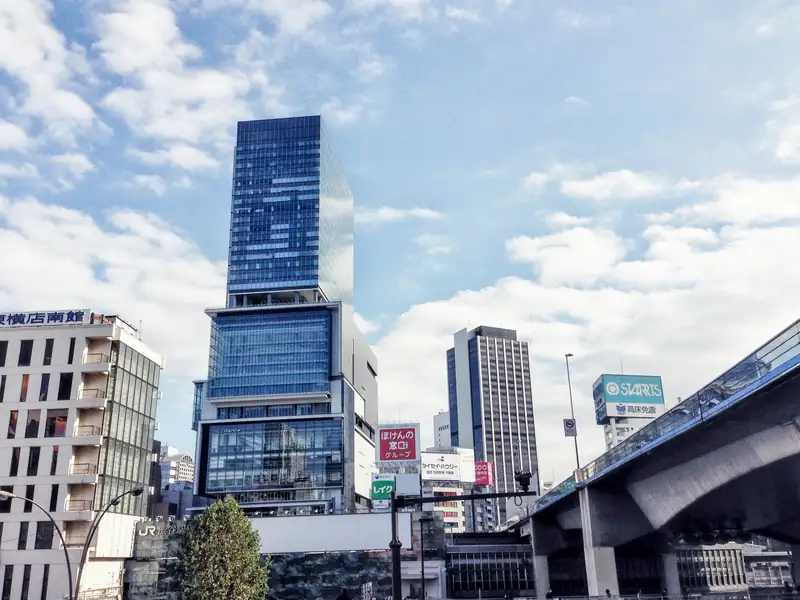
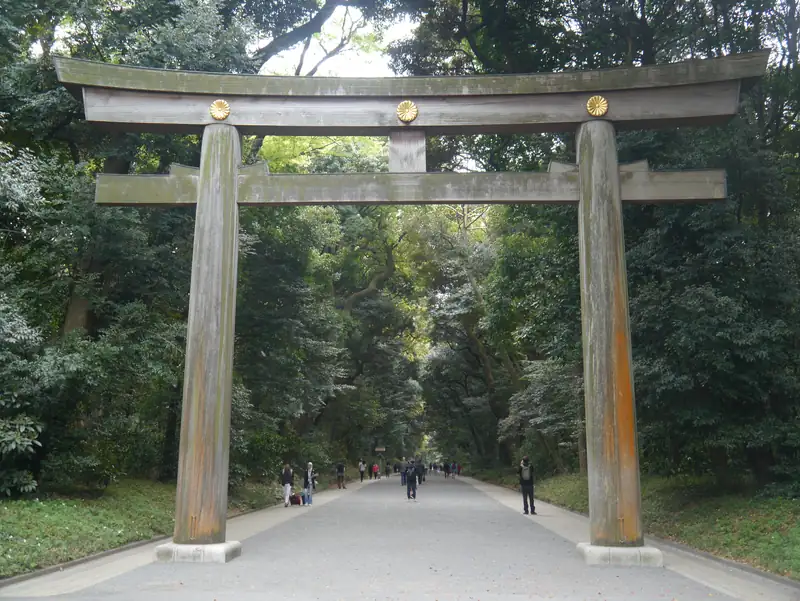
After the war the US military housing at Washington Heights became the athletes’ village for the 1964 Tokyo Olympics, then Yoyogi Park. Shibuya 109 opened in 1979 and Shibuya-kei pop peaked in the late 1990s. Since 2012 a station rebuild has added Hikarie, Shibuya Stream and Shibuya Scramble Square, work the Japanese press often calls a once-in-a-century redevelopment. It is due to finish in FY2034.
The full story of Hachiko