Yoyogi Park is a free public park of about 54 ha, open at all hours, 3 minutes' walk from JR Harajuku Station and one Yamanote stop from Shibuya. It has big lawns, fountains, a dog run, a bird sanctuary and the last building of the 1964 Olympic village. It sits next to Meiji Jingu's forest.
Yoyogi Park is free, open at all hours, and 3 minutes’ walk from JR Harajuku Station, which is one stop and 2 minutes from Shibuya on the Yamanote Line. It covers about 54 ha, the fifth-largest metropolitan park in Tokyo’s 23 wards, and sits right beside the forest of Meiji Jingu.
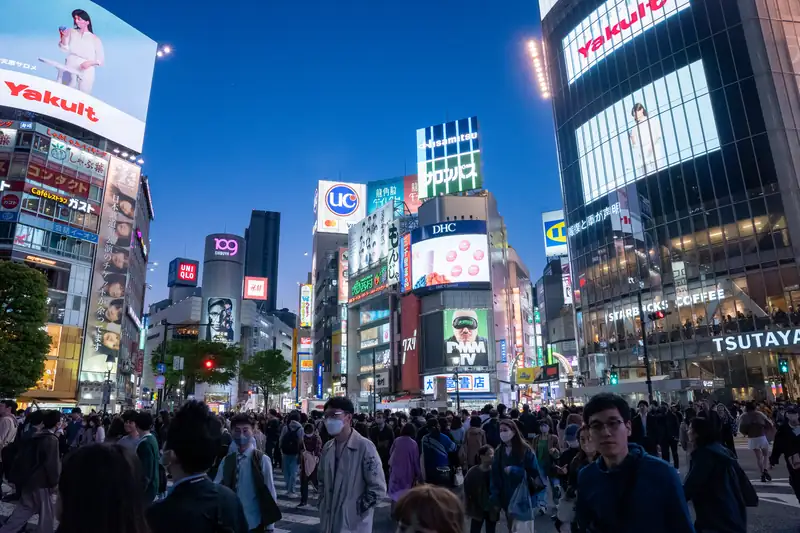
Go for the space. After Shibuya Crossing and Takeshita Street, it is the easiest place nearby to lie on grass.
Getting to Yoyogi Park
| From |
Route |
Time |
Cost |
| Shibuya |
JR Yamanote Line to Harajuku, then walk |
2 min + 3 min walk |
¥155 IC / ¥160 ticket |
| JR Harajuku Station |
Walk |
3 min |
Free |
| Yoyogi-koen (Chiyoda Line, C02) |
Walk |
3 min |
|
| Meiji-jingumae (Chiyoda / Fukutoshin, C03 / F15) |
Walk |
3 min |
|
| Yoyogi-hachiman (Odakyu Line) |
Walk |
6 min |
|
Walk times are the park association’s figures. Fares checked October 2026.
From Shibuya you can also walk. It is the same 15 to 20 minute walk as to Harajuku, and the park is just past the station.
A short history
Before the war this was the Imperial Army’s Yoyogi parade ground. The first flight in Japan was made here in 1910, the year after the parade ground opened, by Captains Tokugawa and Hino, and a monument in the park marks it.
After 1945 the US military built a housing area on the site called Washington Heights. It was handed back in time for the 1964 Tokyo Olympics, when it became the athletes’ village. The park opened on 20 October 1967. One building from the village survives: a house used by the Dutch team, which reopened as a cafe on 9 April 2026.
The park comes in two parts. Area A, the main park with the lawns and woods, is in Yoyogi Kamizono-cho, next to Meiji Jingu. Area B is in Jinnan 1 and 2-chome, on the Shibuya side.
The Olympic link does not end with the village house. The Yoyogi National Gymnasium, designed by Kenzo Tange, opened in October 1964 for the Olympic swimming and diving events, with basketball in its annex, and it still stands beside the park.
What to see in Yoyogi Park
The park’s own list of highlights, from the Tokyo Metropolitan Park Association:
- The central lawn: a big open field in the middle of the park.
- The fountains: three of them, 15 to 30 m high, built in 1991.
- The Olympic memorial house: the last athletes’ village building, now with a cafe.
- The bird sanctuary: described as the first made in Japan. It is fenced and you cannot go in, but you can watch birds from outside.
- The zelkova avenue: a tree-lined walk.
- The pedestrian deck: a raised walkway 145 m long and 6 m high, used as an entrance and a viewpoint.
- The Quetzalcoatl statue: a feathered-serpent figure donated by the Mexican government and installed in November 1990.
There is also a dog run, a cycling centre and a children’s cycling area. The Pedalico Yoyogi cycling centre was temporarily closed in late October 2026, so check before you plan a ride.
On Sundays the park has long drawn rock music fans, jugglers, comedians, martial arts clubs and cosplayers, and the park’s rockabilly dancers were still being photographed there in 2014. Treat any of it as a bonus, not a fixed show.
Seasons in Yoyogi Park
| Season |
What flowers or turns |
| Spring |
Somei-Yoshino and Kawazu cherry, kobushi magnolia, dogwood, tulips, mimosa |
| Summer |
Hydrangea, crape myrtle, sunflowers, cosmos |
| Autumn |
Ginkgo, Japanese maple, osmanthus, roses |
| Winter |
Plum, narcissus |
From the park association’s flower calendar.
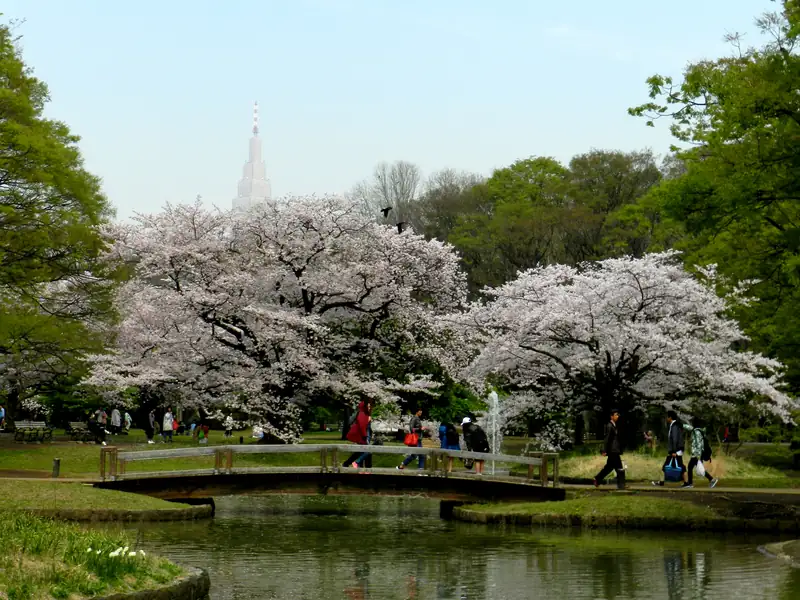
Cherry blossom is the busiest time. Tokyo’s normal full-bloom date is 31 March, according to the Japan Meteorological Agency; in 2026 the trees were in full bloom on 28 March. Thousands come for hanami picnics, so go early to claim space. For other spots, see Nakameguro and the Meguro River.
Events
The park rents out space for events, flea markets and fairs. One example from the park association’s notices: a Jazz Festival in Yoyogi Park on 3 November 2026. Check the association’s page for what is on during your visit.
Park rules
- Keep dogs on a lead and take their droppings home.
- Do not smoke where crowds gather.
- Filming needs a permit from the park office.
- Take your rubbish with you. Since 1 June 2026, Shibuya ward patrol staff can fine anyone they see littering ¥2,000 on the spot, payable cashless. The park is inside Shibuya ward.
Tours
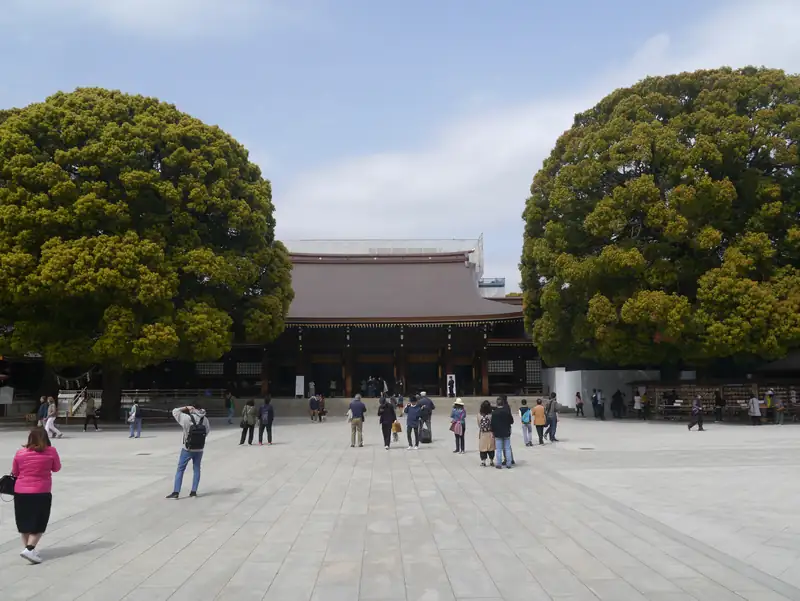
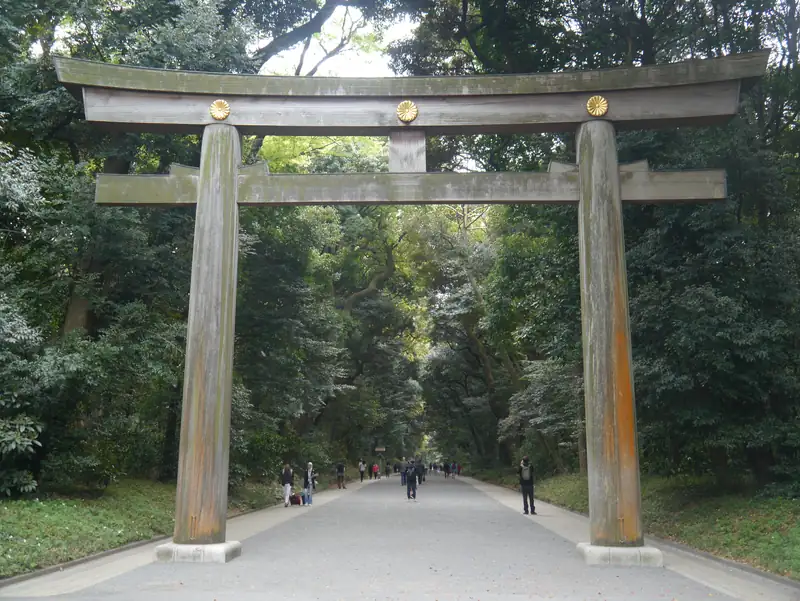
No rated GetYourGuide tour is built around Yoyogi Park itself. The closest fit is the Meiji Shrine Walking Tour, a small-group walk of about 90 minutes from Harajuku Station through the shrine forest next door. It does not visit the park, but you can walk over afterwards.
Combining Yoyogi Park with Shibuya
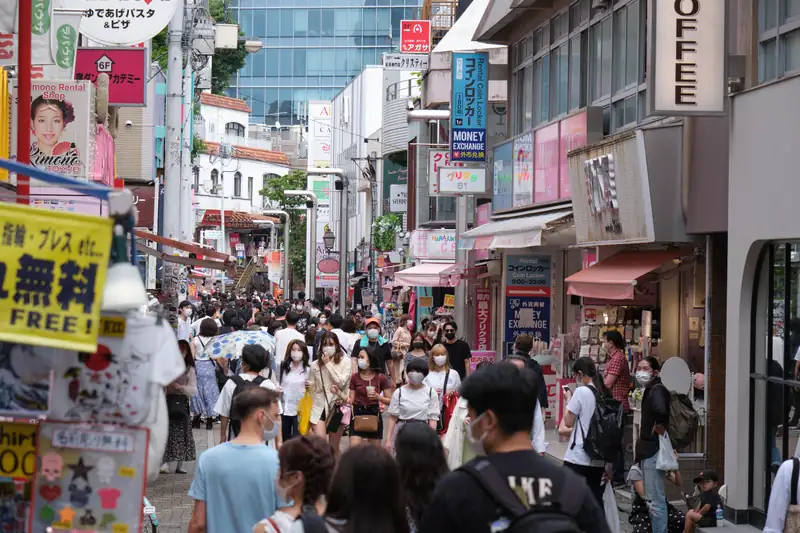
A relaxed half day: Meiji Jingu early, then Yoyogi Park for a picnic, then Takeshita Street and back to Shibuya by train or along Cat Street. See the Harajuku guide for the walking route and things to do in Shibuya for the evening.