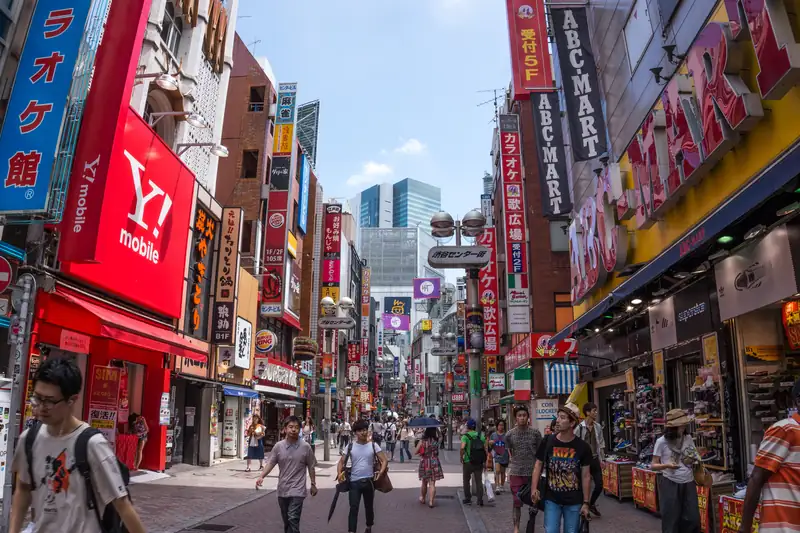
Omotesando is a tree-lined avenue of about 1.1 km running from Harajuku Station to Aoyama-dori, built in 1919 as the approach road to Meiji Jingu. It is one Ginza or Hanzomon Line stop from Shibuya, about 2 minutes for ¥178 by IC card. Go for designer architecture, Omotesando Hills and a quieter walk than Takeshita Street.
Omotesando is a wide avenue of about 1.1 km lined with zelkova trees, running from the Jingu-bashi crossing by Harajuku Station down to Aoyama-dori. From Shibuya it is one stop on the Tokyo Metro Ginza or Hanzomon Line, about 2 minutes and ¥178 with an IC card, or a walk of 15 to 20 minutes to the Harajuku end.
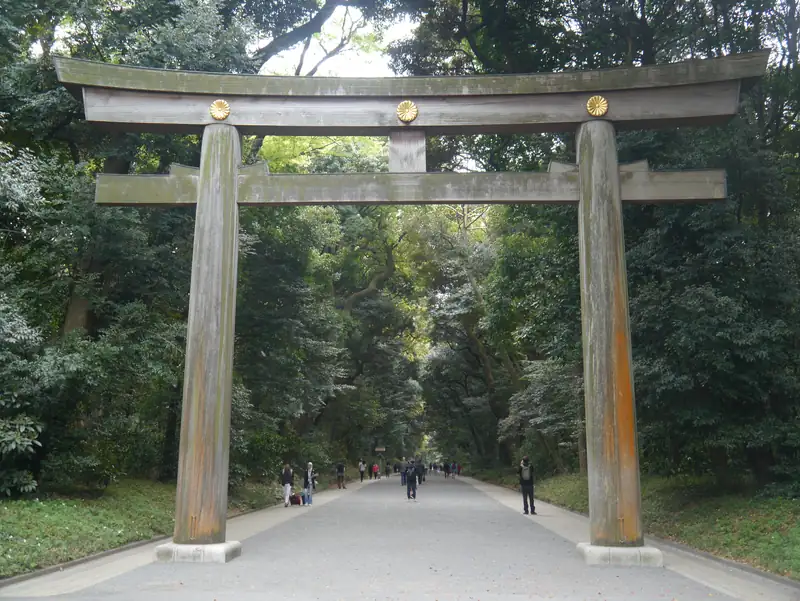
It was built in 1919 as the formal approach road to Meiji Jingu, and the name means exactly that: the main approach. Today it is the grown-up side of Harajuku, with designer flagships by some of Japan’s best-known architects.
Getting to Omotesando from Shibuya
| Route |
Time |
Cost |
Arrive at |
| Ginza or Hanzomon Line to Omotesando |
1 to 2 min |
¥178 IC / ¥180 ticket |
Aoyama end of the avenue |
| JR Yamanote Line to Harajuku |
2 min |
¥155 IC / ¥160 ticket |
Harajuku end, by Jingu-bashi |
| On foot to Harajuku |
15 to 20 min |
Free |
Harajuku end |
Checked October 2026.
Omotesando Station sits at the Aoyama end, where the avenue meets Aoyama-dori. Harajuku Station sits at the other end, by the Jingu-bashi crossing and the way into Meiji Jingu. Pick your arrival by what you want to see first.
The best plan is to arrive at one end and leave from the other. Take the Ginza Line to Omotesando, walk up the avenue to Harajuku and Meiji Jingu, then take the Yamanote Line back to Shibuya. Or reverse it.
The avenue
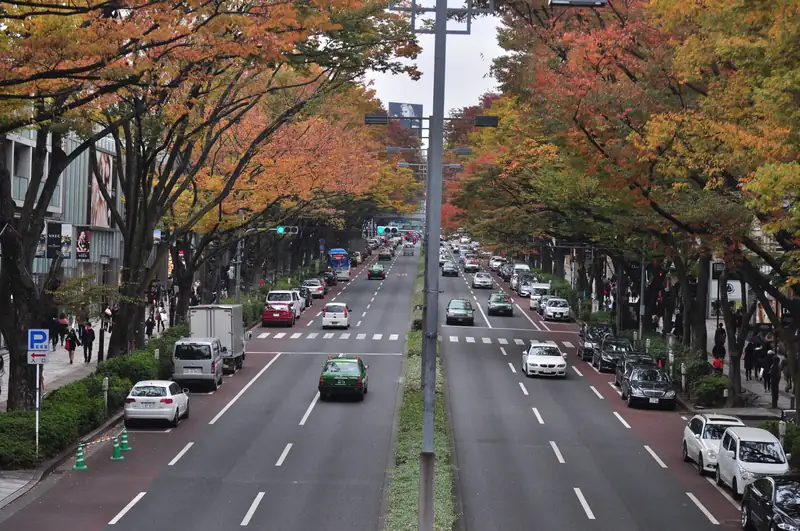
Omotesando is 36 m wide, with two lanes each way and a median. Its 163 zelkova trees stand in one row on each side. Most were replanted around 1950, after the 1945 air raids destroyed the originals. The avenue crosses a ward line on the way: the Harajuku half is in Shibuya ward (Jingumae), the Aoyama half in Minato ward.
In autumn the trees turn orange. In winter there have been year-end illuminations along the trees in some years. They ran from 1991 to 1998, stopped because of traffic jams, crowds and litter, came back in 2009 and 2010, and have returned only as smaller events since. No 2026 programme was published when this was checked, so do not plan around them.
The avenue has its own place in Harajuku’s street-culture story. The Takeshita Street shopping association dates the first appearance of the takenoko-zoku, the teenage street-dance groups, to 1979 on Omotesando. In 2000 the association and Omotesando Keyakikai, the avenue’s own merchants’ group, began a joint campaign against street vending and touting.
Architecture on Omotesando
For many visitors the buildings are the point. Some to look for:
| Building |
Architect |
Year |
| Louis Vuitton |
Jun Aoki |
2002 |
| Tod’s |
Toyo Ito |
2004 |
| Dior |
SANAA |
2004 |
| Omotesando Hills |
Tadao Ando |
Mid-2000s |
| Gyre |
MVRDV |
2007 |
Omotesando Hills takes up a 250 m stretch of the avenue. It replaced the Dojunkai Aoyama Apartments, built in 1927 after the Great Kanto Earthquake, and their demolition was controversial. A small section of the old apartments was rebuilt in the south-east corner of the new complex, so you can still see what stood here. Sources differ on whether to date the building to 2005 or 2006.
The avenue itself is flagships and big names. The smaller shops are just off it:
- Cat Street, the back lane of small shops that links Harajuku and Shibuya, leads off the avenue. Walking it is the nicest way back to Shibuya on foot.
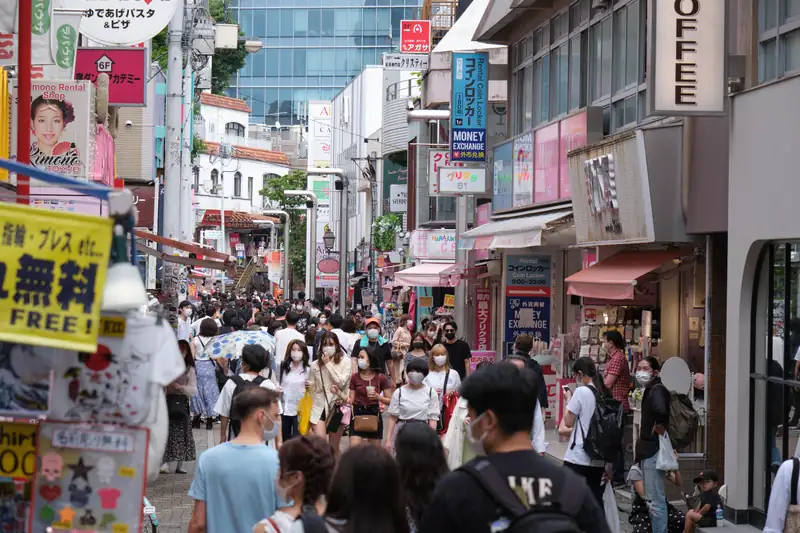
- Takeshita Street, for youth fashion and crepes, runs from Harajuku Station to Meiji-dori, close to the Harajuku end of the avenue.
- Laforet Harajuku, at the Jingumae crossing, has been a fashion landmark since 1978.
Shibuya ward has a stricter anti-touting zone within 600 m of the Jingumae crossing, under an ordinance in force since 1 April 2025. Ignore anyone who stops you in the street. The ward also has a littering rule: since 1 June 2026, Shibuya ward patrol staff can fine anyone they see littering ¥2,000 on the spot, payable cashless.
For a wider shopping plan, see Shibuya shopping.
Nezu Museum
The Nezu Museum, an art museum in Minato ward, is near the Aoyama end of the avenue. Third-party listings say it is closed on Mondays and that timed-entry tickets should be booked online. Its official site could not be reached to check prices for this guide, so look them up before you go.
Seeing Omotesando with a tour
Most walking tours of the area stick to Harajuku and Cat Street. The unusual one is the Street Kart Experience in Shibuya, which drives costumed go-karts from Maruyamacho through the Scramble several times and out to Harajuku and Omotesando. Every driver needs a valid International Driving Permit under the 1949 convention, or a JAF translation for some licences, and under-18s cannot drive. See go-kart Tokyo for the rules.
Combining Omotesando with Shibuya
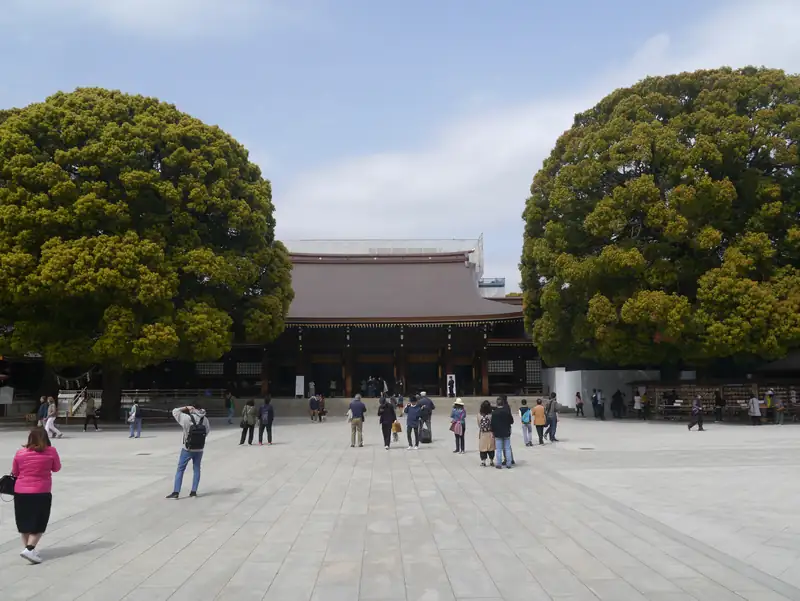
Omotesando fits into a Harajuku morning or afternoon. Start at Meiji Jingu, walk down the avenue, turn into Cat Street and finish in Shibuya for the evening. The things to do in Shibuya guide covers what to do when you get there.